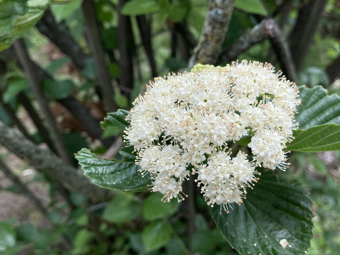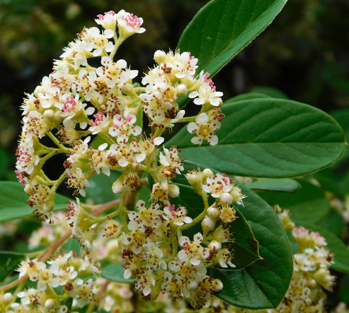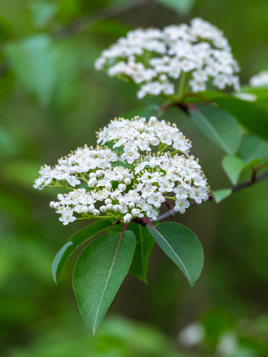


| Common Name | Latin Name | Native to MI | Light Requirement | Moisture Requirement | Salt tolerant | Mature Height | Mature Width | Growth Rate |
|---|---|---|---|---|---|---|---|---|
|
Red Maple
|
Accer Rubrum
|
Yes
|
Fill Sun or partial Sun
|
Moderate or wet soil
|
No
|
40-60'
|
35-45'
|
Fast
|
|
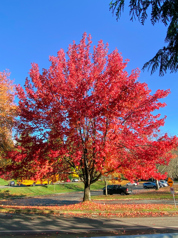
Flower Type: Small red-petaled clusters Fruit Type: Paired, winged seeds Fall Leaf Color: Yellow- Red Additional Notes: Red maple is one of the first trees to flower in the spring, thus it acts as an early nectar source for pollinators. |
||||||||
|
Sugar Maple
|
Acer saccharum
|
Yes
|
Full sun or partial sun
|
Dry or moderate soil
|
No
|
60-75'
|
40-50'
|
Moderate
|
|
Fruit type: Paired, winged seeds Fall leaf Color: Yellow - Red Additional Notes: The extra sweet sap of the sugar maple is the most common choice for boiling down into maple syrup. |
||||||||
|
Freeman Maple
|
Acer x freemanii
|
Yes
|
Full sun
|
Dry, moderate or wet soil
|
No
|
40-60'
|
20-40'
|
Fast
|
|
Flower type: Inconspicuous clusters Fruit type: Paired, winged seeds Fall leaf Color: Orange - Red Additional Notes: This hybrid of silver maple and red maple unites the rapid growth rate of silver maple and the stronger branch attachment of the red maple. |
||||||||
|
Yellow Buckeye
|
Aesculus flava
|
No
|
Full sun or partial sun
|
Moderate or wet soil
|
No
|
60-80'
|
25-35'
|
Moderate
|
|
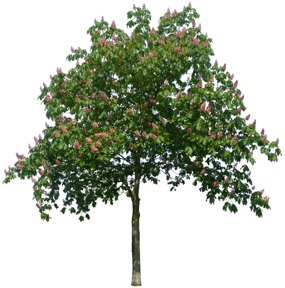
Fruit Type: Shiny brown nuts in a smooth husk Fall Leaf Color: Orange Additional Notes: Showy yellow flowers and impressive fall color make this species a popular landscape choice. |
||||||||
|
Horsechestnut
|
Aesculus hippocastanum
|
No
|
Full sun or partial sun
|
Moderate soil
|
Yes
|
50-75'
|
40-65'
|
Moderate
|
|
Fruit type: Seed in a prickly husk Fall leaf Color: Yellow Additional Notes: A horsechestnut tree described multiple times in Anne Frank's diary was dubbed "The Anne Frank Tree." The tree fell in a 2010 storm, but 11 of the tree's saplings were recovered and have been planted around the world. |
||||||||
|
Yellow Birch
|
Betula alleghaniensis
|
Yes
|
Full sun or partial sun
|
Moderate or wet soil
|
No
|
60-75'
|
60-75'
|
Moderate
|
|
Fruit type: Cone-like clusters Fall leaf Color: Yellow Additional Notes: The bark of yellow birch trees peels away just like the more commonly-known paper birch, but yellow birch bark is a silver - bronze color instead of bright white. |
||||||||
|
Paper Birch
|
Betula papyrifera
|
Yes
|
Full sun
|
Moderate soil
|
Yes
|
50-70'
|
20-45'
|
Fast
|
|
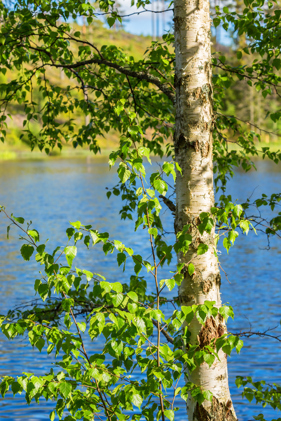
Fruit type: Cone-like clusters Fall leaf Color: Yellow Additional Notes: The distinct white bark of birch trees provide ornamental interest but was also used by Indigenous people to create lightweight canoes, baskets, and many other crafts. The bark becomes white on trees after 7-10 years |
||||||||
|
Bitternut Hickory
|
Carya cordiformis
|
Yes
|
Full sun, partial sun, or shade
|
Dry or moderate soil
|
No
|
50-70'
|
40-50'
|
Slow
|
|
Flower type: Small green catkins Fruit type: Large, pear-shaped nuts Fall leaf Color: Yellow - Brown Additional Notes: Hickory wood is commonly used to make furniture and smoke meats.
|
||||||||
|
Pignut Hickory
|
Carya glabra
|
Yes
|
Full sun, partial sun or shade
|
Dry or moderate soil
|
No
|
50-60'
|
25-35'
|
Slow
|
|
Flower type: Small green catkins Large Fruit type: pear-shaped nuts Fall leaf Color: Gold Additional Notes: Hickory nuts are calorie dense and high in fat, so they're a vital resource for wildlife bulking up to survive the winter. Also, its fall color is very bright gold. |
||||||||
|
Shagbark Hickory
|
Carya ovata
|
Yes
|
Full sun or partial sun
|
Dry or moderate soil
|
No
|
60-80'
|
30-50'
|
Slow
|
|
Flower type: Small green catkins Large Fruit type: rounded nuts Fall leaf Color: Golden brown Additional Notes: The loose, shaggy bark of this tree makes for an interesting appearance and excellent bat roosting habitat. |
||||||||
|
Hackberry
|
Celtis occidentalis
|
Yes
|
Full sun
|
Moderate or wet soil
|
Yes
|
40-60'
|
40-50'
|
Fast
|
|
Fruit type: fleshy drupes Fall leaf Color: Yellow Additional Notes: Hackberry trees are the only host plant for the hackberry emperor butterfly, meaning the caterpillars can only feed on hackberry leaves. |
||||||||
|
Persimmon
|
Diospyros virginiana
|
No
|
Full sun or partial sun
|
Dry or moderate soil
|
No
|
35-60'
|
20-35'
|
Slow
|
|
Flower type: Large, orange berry Fruit type: Small, white and fragrant Fall leaf Color: Yellow - Red Additional Notes: Female trees produce edible fruits in late fall, which taste honey-like. However, both male and female persimmon trees need to be planted close together to ensure pollination. |
||||||||
|
Ginkgo (Male)
|
Ginkgo biloba
|
No
|
Full sun
|
Moderate or wet soil
|
Yes
|
50-80'
|
30-40'
|
Slow
|
|
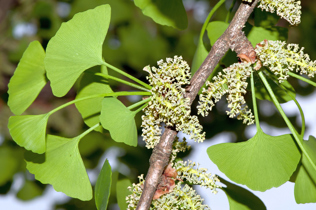
Flower type: Inconspicuous Fruit type: Male ginkgo trees don't produce smelly fruit Fall leaf Color: Gold Additional Notes: The ginkgo's fan-shaped leaves are unique today because of its status as a "living fossil." It's remained relatively unchanged for approximately 270 million years and is likely the only extant tree species from that period. |
||||||||
|
Thornless Honeylocust
|
Gleditsia triacanthos inermis
|
Yes
|
Full sun
|
Dry or moderate soil
|
Yes
|
30-70'
|
30-70'
|
Fast
|
|
Flower type: Inconspicuous spikes Fruit type: Large brown pods Fall leaf Color: Gold Additional Notes: Thornless varieties of honeylocust exist because the natural straight species grows sharp thorns about an inch long, which were likely used as a defense against browsing herbivores. |
||||||||
|
Kentucky Coffeetree
|
Gymnocladus dioicus
|
Yes
|
Full sun
|
Dry, moderate or wet soil
|
Yes
|
60-75'
|
40-50'
|
Slow
|
|
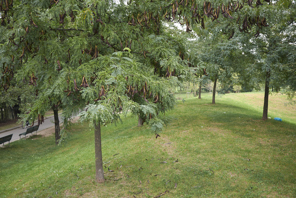
Fruit type: Large leathery pods Fall leaf Color: Yellow Additional Notes: Only female trees produce fruit, but the fruits can be roasted, ground, and used as a caffeine-free coffee substitute, hence the common name of this species. |
||||||||
|
Black Walnut
|
Juglans nigra
|
Yes
|
Full sun
|
Moderate soil
|
Moderate
|
50-75'
|
30-50'
|
Moderate
|
|
Flower type: Inconspicuous clusters Fruit type: Large nut in green husk Fall leaf Color: Yellow Additional Notes: Black walnut wood is renowned for its strength and resistance to rot and was oftentimes used to make gunstocks in the Civil War, WWI, and WWII. Now, walnut wood is more often used for cabinetry and luxury furniture. |
||||||||
|
Tamarack
|
Larix laricina
|
Yes
|
Full sun
|
Wet soil
|
Yes
|
40-80'
|
30-50'
|
Fast
|
|
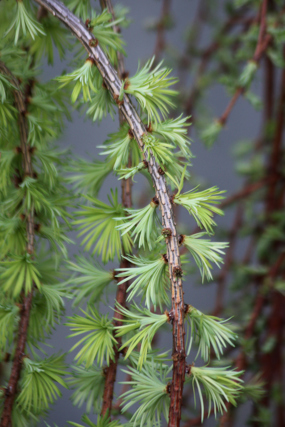
Flower type: Small, upright cones Fruit type: Inconspicuous Fall leaf Color: Yellow Additional Notes: Tamaracks can survive extreme cold (down to around -85 degrees Fahrenheit) and are one of the most common species at the Arctic Tree Line. The tree drops its needles in the fall. |
||||||||
|
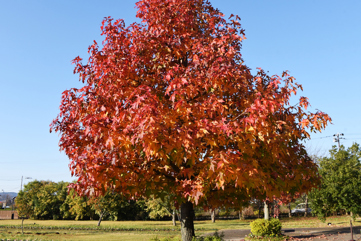
Sweetgum
|
Liquidambar styraciflua
|
No
|
Full sun
|
Moderate or wet soil
|
Yes
|
60-75'
|
40-75'
|
Moderate
|
|
Flower type: Inconspicuous spikes Round Fruit type: spiky capsules Fall leaf Color: Yellow - Red - Purple Additional Notes: The unique star-shaped leaves of sweetgum trees produce dazzling fall color displays that vary from yellow, to orange, to red, to purple. |
||||||||
|
Dawn Redwood
|
Metasequoia glyptostroboides
|
No
|
Full sun
|
Dry, moderate or wet soil
|
Yes
|
70-100'
|
20-30'
|
Fast
|
|
Flower type: Inconspicuous Fruit type: Cones on stalks Fall leaf Color: Orange -Brown Additional Notes: Dawn redwoods were long thought to be extinct, until a grove of wild dawn redwoods were found growing in a remote valley in China. They shouldn't be planted in tight spaces or near sidewalks as their roots may cause damage. |
||||||||
|
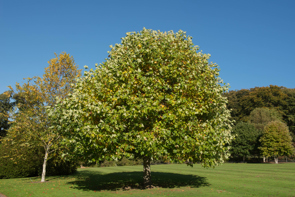
Tuliptree
|
Liriodendron tulipifera
|
Yes
|
Full sun or partial sun
|
Moderate soil
|
No
|
70-90'
|
35-50'
|
Fast
|
|
Flower type: Large, yellow and tulip-like Fruit type: Cluster of winged seeds Fall leaf Color: Gold Additional Notes: A single tuliptree flower can produce a tablespoon of nectar, making this tree a popular choice for pollinators. |
||||||||
|
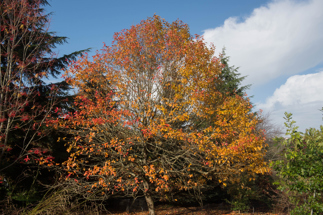
Blackgum
|
Nyssa sylvatica
|
Yes
|
Full sun or partial sun
|
Dry, moderate or wet soil
|
Moderate
|
30-50'
|
20-30'
|
Slow
|
|
Flower type: Long white clusters Fruit type: Small, purple drupes Fall leaf Color: Red Additional Notes: Blackgum is highly valued as an ornamental tree for its brilliant fall color. |
||||||||
|
American Sycamore
|
Platanus occidentalis
|
Yes
|
Full sun or partial sun
|
Moderate or wet soil
|
Moderate
|
75-100'
|
50-70'
|
Fast
|
|
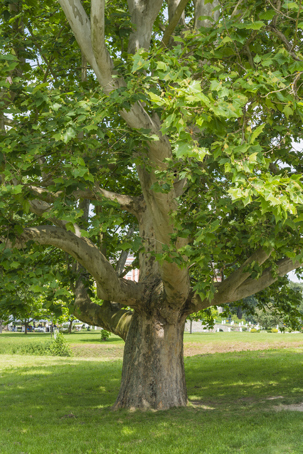
Flower type: Dense clusters on stalks Fruit type: Dense ball of seeds Fall leaf Color: Brown Additional Notes: The outer bark of sycamore trees naturally sloughs off to reveal the lighter bark below, which creates visually interesting trunk patterns. |
||||||||
|
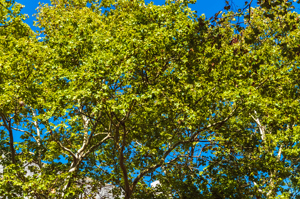
London Planetree
|
Platanus x acerifolia
|
No
|
Full sun or partial sun
|
Moderate or wet soil
|
No
|
70-100'
|
65-80'
|
Fast
|
|
Flower type: Green or red clusters on long stalks Fruit type: Seeds hang in pairs on long stalks Fall leaf Color: Yellow - brown |
||||||||
|
Black Cherry
|
Prunus serotina
|
Yes
|
Full sun
|
Moderate soil
|
Yes
|
50-60'
|
20-30'
|
Fast
|
|
Flower type: Small white clusters Fruit type: Small, purple cherries Fall leaf Color: Yellow - Orange Additional Notes: Black cherry is prized in the woodworking trade because of its strength, hardness, and rich reddish-brown hue. It will not tolerate shade. |
||||||||
|
White Oak
|
Quercus alba
|
Yes
|
Full sun
|
Dry or moderate soil
|
No
|
50-80'
|
80-100'
|
Slow
|
|
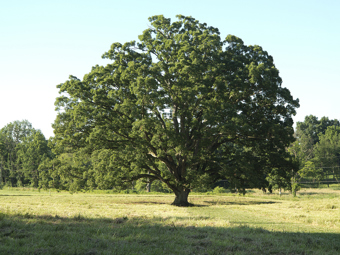
Flower type: Green catkins Fruit type: Small acorns Fall leaf Color: Red Additional Notes: A 200-year-old white oak in Ohio dubbed the "Shawshank Tree" was made famous and became a tourist attraction when it appeared at the end of the movie "The Shawshank Redemption." |
||||||||
|
Swamp White Oak
|
Quercus bicolor
|
Yes
|
Full sun
|
Moderate or wet soil
|
Moderate
|
50-60'
|
50-60'
|
Moderate
|
|
Flower type: Green catkins Fruit type: Small acorns Fall leaf Color: Gold - Orange Additional Notes: Swamp white oak is far more tolerant of low-lying and wet sites, plus sites with heavy soil, than white oaks. |
||||||||
|
Scarlet Oak
|
Quercus coccinea
|
No
|
Full sun
|
Moderate soil
|
No
|
40-75'
|
40-75'
|
Moderate
|
|
Flower type: Green catkins Fruit type: Small acorns Fall leaf Color: Red Additional Notes: Brilliant red fall color sets scarlet oak apart from many other oaks. |
||||||||
|
Shingle Oak
|
Quercus imbricaria
|
Yes
|
Full sun or partial sun
|
Dry, moderate, or wet soil
|
No
|
50-60'
|
50-60'
|
Slow
|
|
Flower type: Green catkins Fruit type: Small acorns Fall leaf Color: Yellow - Brown Additional Notes: The leaves of shingle oaks are distinctly unlobed, unlike other oak trees. |
||||||||
|
Quercus macrocarpa
|
Yes
|
Full sun
|
Dry or moderate soil
|
Moderate
|
70-80'
|
70-80'
|
Slow
|
|
|
Flower type: Green catkins Fruit type: Large, fringed acorns Fall leaf Color: Yellow - Brown Additional Notes: Bur oaks have the largest acorns of any oak species, which are eaten by black bears, turkeys, grouse, and other wildlife. |
||||||||
|
Chinkapin Oak
|
Quercus muehlenbergii
|
Yes
|
Full sun
|
Dry or moderate soil
|
No
|
50-80'
|
50-70'
|
Slow
|
|
Flower type: Green catkins Fruit type: Small acorns Fall leaf Color: Yellow - Orange Additional Notes: Chinkapin oaks grow best in alkaline soils, making them a good substitute for pin oaks if the soil pH is high. |
||||||||
|
Quercus palustris
|
Yes
|
Full sun
|
Wet soil
|
No
|
60-70'
|
40-50'
|
Fast
|
|
|
Flower type: Green catkins Fruit type: Small acorns Fall leaf Color: Red - Brown Additional Notes: Pin oaks are intolerant of alkaline soils, which reduces the tree's ability to take in iron, a micro nutrient necessary for growth. This causes chlorosis, which yellows leaves and weakens the tree. |
||||||||
|
Quercus rubra
|
Yes
|
Full sun or partial sun
|
Dry or moderate soil
|
Moderate
|
60-75'
|
60-75'
|
Moderate
|
|
|
Flower type: Green catkins Fruit type: Small acorns Fall leaf Color: Red Additional Notes: Produces high value lumber commonly used for furniture, flooring, interior trim, and more. |
||||||||
|
Shumard Oak
|
Quercus shumardii
|
Yes
|
Full sun or partial sun
|
Dry, moderate, or wet soil
|
Yes
|
40-60'
|
40-60'
|
Moderate
|
|
Flower type: Green catkins Fruit type: Small acorns Fall leaf Color: Red Additional Notes: Shumard oak makes for a resilient urban tree because it tolerates pollution and compacted soils well. |
||||||||
|
Black Oak
|
Quercus velutina
|
Yes
|
Full sun or partial sun
|
Dry soil
|
No
|
50-60'
|
40-70'
|
Moderate
|
|
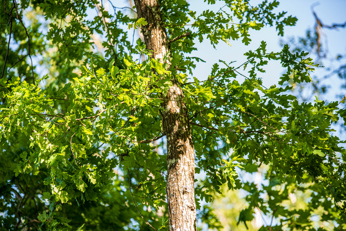
Flower type: Green catkins Fruit type: Small acorns Fall leaf Color: Yellow Additional Notes: Leaves of the black oak tree growing in full sun tend to have deeper lobes, whereas "shade leaves" lower in the canopy are generally larger with shallower lobe sinuses. |
||||||||
|
Common Baldcypress
|
Taxodium distichum
|
No
|
Full sun or partial sun
|
Dry, moderate, or wet soil
|
No
|
50-70'
|
20-30'
|
Moderate
|
|
Flower type: Inconspicuous Fruit type: Small acorns Fall leaf Color: Orange - Brown Additional Notes: Common baldcypress is a deciduous conifer, meaning it sheds its leaves each year unlike most other cone-bearing species. It also boasts beautiful fall color. |
||||||||
|
American Basswood
|
Tilia americana
|
Yes
|
Full sun or partial sun
|
Dry or moderate soil
|
No
|
60-80'
|
30-60'
|
Moderate
|
|
Flower type: Fragrant yellow clusters Fruit type: Small nuts Fall leaf Color: Yellow Additional Notes: Basswood is frequently used in the making of guitars and other musical instruments. |
||||||||
|
Littleleaf Linden
|
Tilia cordata
|
No
|
Full sun
|
Moderate soil
|
No
|
60-70'
|
30-40'
|
Moderate
|
|
Flower type: Fragrant yellow clusters Fruit type: Small nuts Fall leaf Color: Yellow Additional Notes: Linden flowers are fragrant and are commonly made into teas. They are also a good source of nectar for pollinators. |
||||||||
|
Silver Linden
|
Tilia tomentosa
|
No
|
Full sun or partial sun
|
Moderate soil
|
Yes
|
50-70'
|
25-40'
|
Moderate
|
|
Flower type: Fragrant yellow clusters Fruit type: Small, egg-shaped nuts Fall leaf Color: Yellow Additional Notes: Silvery undersides of leaves appear to shimmer from afar in the wind. |
||||||||
|
American Elm (Disease resistant cultivars)
|
Ulmus americana
|
Yes
|
Full sun
|
Dry or moderate soil
|
Yes
|
60-80'
|
40-70'
|
40-70'
|
|
Flower type: Inconspicuous Fruit type: Small, oval samara Fall leaf Color: Yellow Additional Notes: Several cultivars of American elm are planted for their resistance to Dutch Elm Disease, which is a disease that swept through Michigan in the 1950s, killing nearly all of the state's American elms. |
||||||||
 Flower type: Small pale yellow clusters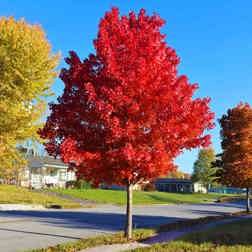
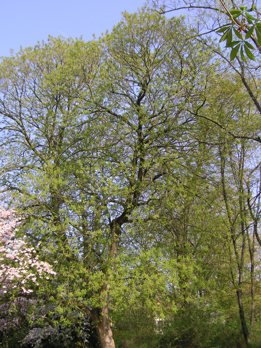 Flower Type: Upright yellow clusters
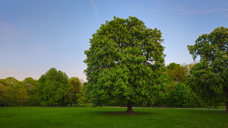 Flower type: White or red upright clusters
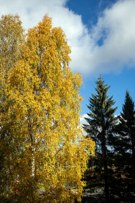 Flower type: Green - yellow catkins
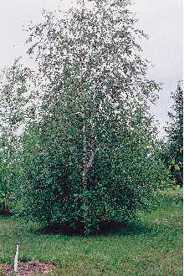 Flower type: Inconspicuous catkins
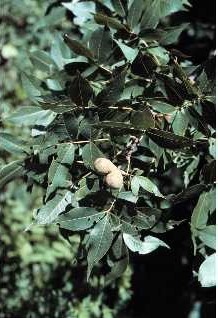

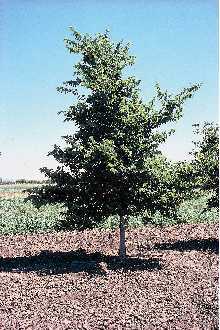 Flower type: Inconspicuous clusters Small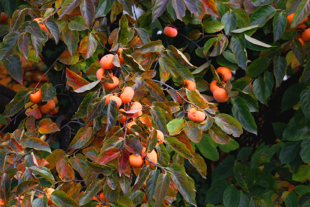
 Flower type: Long white clusters

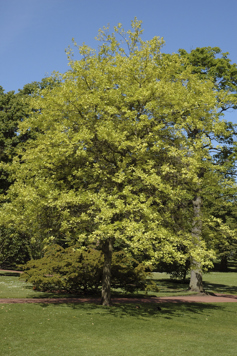
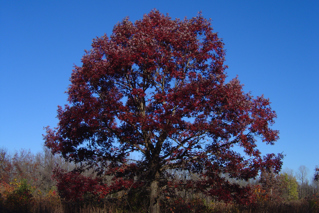

| Common Name | Latin Name | Native to MI | Light Requirement | Moisture Requirement | Salt tolerant | Mature Height | Mature Width | Growth Rate |
|---|---|---|---|---|---|---|---|---|
|
Red Horsechestnut
|
Aesculus x carnea
|
No
|
Full sun or partial sun
|
Moderate soil
|
No
|
30-40'
|
30-40'
|
Moderate
|
|
Flower type: White or red upright clusters Fruit type: Seed in a prickly husk Fall leaf Color: Yellow Additional Notes: The tree is a cross between horse chestnut and red buckeye with large flower clusters that vary from pink to red. |
||||||||
|
Ohio Buckeye
|
Aesculus glabra
|
Yes
|
Full sun or partial sun
|
Dry, moderate, or wet soil
|
No
|
20-40'
|
20-40'
|
Moderate
|
|
Flower type: Large yellow upright clusters Fruit type: Seed in a prickly husk Fall leaf Color: Yellow - orange Additional Notes: Prosthetic limbs were often made from buckeye tree wood before the advent of synthetic materials. |
||||||||
|
River Birch
|
Betula nigra
|
No
|
Full sun
|
Moderate or wet soil
|
Moderate
|
30-40'
|
20-30'
|
Fast
|
|
Flower type: Inconspicuous catkins Fruit type: Cone-like clusters Fall leaf Color: Yellow Additional Notes: River birch is much more resistant to the native bronze birch borer insect, which can weaken or kill other birch species. |
||||||||
|
Flowering Dogwood
|
Cornus florida
|
Yes
|
Full sun, partial sun, or shade
|
Moderate soil
|
No
|
20-40'
|
15-25'
|
Slow
|
|
Flower type: Large blooms with white or pink petals Fruit type: Bright red and berry-like Fall leaf Color: Red Additional Notes: The United States sent 40 flowering dogwood trees to Japan in 1915 as part of an international flower exchange that brought several of Japan's cherry blossom trees to Washington D.C. |
||||||||
|
Magnolia
|
Magnolia spp.
|
No
|
Full sun or partial sun
|
Dry or moderate soil
|
No
|
Varies by cultivar
|
Varies by cultivar
|
Moderate
|
|
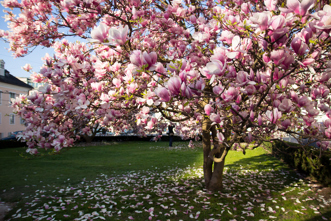
Flower type: Large blooms vary by cultivar Fruit type: Pink aggregate structure releases seeds Fall leaf Color: Yellow Additional Notes: A mild winter season may cause the large, fragrant flowers of the magnolia to bloom well ahead of spring when other plants are still dormant. If followed by a cold snap, the flowers may die off early. |
||||||||
|
Ironwood
|
Ostrya virginiana
|
Yes
|
Full sun or partial sun
|
Dry or moderate soil
|
No
|
25-40'
|
15-40'
|
Slow
|
|
Flower type: Inconspicuous catkins Fruit type: Hops-like clusters Fall leaf Color: Yellow Additional Notes: This tree is highly resistant to many pests and diseases and also boasts ornamentally significant fruit, which resembles hops. |
||||||||
| Common Name | Latin Name | Native to MI | Light Requirement | Moisture Requirement | Salt tolerant | Mature Height | Mature Width | Growth Rate |
|---|---|---|---|---|---|---|---|---|
|
Paperbark Maple
|
Acer griseum
|
No
|
Full sun or partial sun
|
Dry, moderate, or wet soil
|
Yes
|
20-30'
|
10-30'
|
Slow
|
|
Flower type: Inconspicuous catkins Fruit type: Paired, winged seeds Fall leaf Color: Bronze Additional Notes: The distinct peeling bark of the paperbark maple sets this tree apart from other maple species and adds year-round interest. |
||||||||
|
Serviceberry
|
Amelanchier spp.
|
Yes
|
Partial sun or shade
|
Moderate soil
|
No
|
10-20'
|
15-25'
|
Moderate
|
|
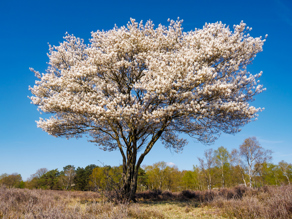
Flower type: White clusters Fruit type: Red and berry-like Fall leaf Color: Orange - Red Additional Notes: Showy flower blooms in the spring become persistent, flavorful fruit that are highly favorable to birds and can be enjoyed by humans too. |
||||||||
|
Asimina triloba
|
Yes
|
Full sun or partial sun
|
Moderate or wet soil
|
No
|
15-20'
|
15-20'
|
Slow
|
|
|
Flower type: Large dark purple blooms Fruit type: Large green edible fruit Fall leaf Color: Yellow Additional Notes: The pawpaw produces the largest edible fruit native to the United States. It can be eaten raw and tastes somewhat similar to banana or mango. |
||||||||
|
American Hornbeam
|
Carpinus caroliniana
|
Yes
|
Full sun, partial sun, or shade
|
Moderate or wet soil
|
No
|
20-30'
|
20-30'
|
Slow
|
|
Flower type: Inconspicuous catkins Fruit type: Yellow clusters contain nuts Fall leaf Color: Yellow - Orange Additional Notes: This species is also known as "musclewood" because of the unique, sinewy contours of the tree's trunk |
||||||||
|
Eastern Redbud
|
Cercis canadensis
|
Yes
|
Partial sun or shade
|
Moderate soil
|
No
|
20-30'
|
25-35'
|
Moderate
|
|
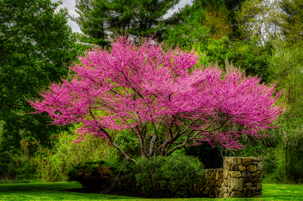
Flower type: Small pink clusters Fruit type: Small brown pods Fall leaf Color: Yellow Additional Notes: Bright pink flowers bloom all along the branches of redbud trees before leaves emerge. Redbud trees seven years and older will bloom. |
||||||||
|
Pagoda Dogwood
|
Cornus alternifolia
|
Yes
|
Full sun or partial sun
|
Dry or moderate soil
|
No
|
15-25'
|
20-30'
|
Moderate
|
|
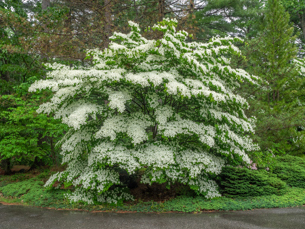
Flower type: Small white flattopped clusters Fruit type: Clusters of dark blue berry-like fruits Fall leaf Color: Red - Purple Additional Notes: Dogwood is both the state tree and state flower of Virginia, and has been celebrated by the state annually since the 1950s with a "Dogwood Festival," featuring parades, carnivals, and more. |
||||||||
|
Thornless Cockspur Hawthorn
|
Crataegus crusgalli inermis
|
Yes
|
Full sun
|
Dry or moderate soil
|
Yes
|
20-30'
|
20-35'
|
Moderate
|
|
Flower type: Small white clusters with strong odor Fruit type: Large, red and berry-like Fall leaf Color: Red - Purple Additional Notes: Cockspur hawthorn fruits are "persistent," meaning they're held on the tree through the winter and act as a food source for wildlife when other resources are scant. |
||||||||
|
Common Witchhazel
|
Hamamelis virginiana
|
Yes
|
Full sun, partial sun, or shade
|
Moderate soil
|
Yes
|
15-25'
|
15-20'
|
Moderate
|
|
Flower type: Showy and fragrant yellow flowers Fruit type: Capsules containing small black seeds Fall leaf Color: Yellow Additional Notes: Witch-hazel extract was used by Indigenous populations to treat inflammation and has been adopted for modern medicinal uses as well. They're typically found in oak-hickory forests. |
||||||||
|
Flowering Crabapple
|
Malus spp.
|
No
|
Full sun or partial sun
|
Dry or moderate soil
|
No
|
15-25'
|
15-25'
|
Moderate
|
|
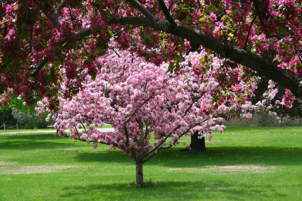
Flower type: Fragrant pink or white clusters Fruit type: Large, green and applelike Fall leaf Color: Yellow - Red Additional Notes: Crabapple often serves as the rootstock on which more commonly eaten apple trees are grafted. There are many, many cultivars of crabapple available offering a variety of fruit and flower options, and more. |
||||||||
|
Chokecherry
|
Prunus virginiana
|
Yes
|
Full sun or partial sun
|
Dry or moderate soil
|
No
|
10-20'
|
10-20'
|
Moderate
|
|
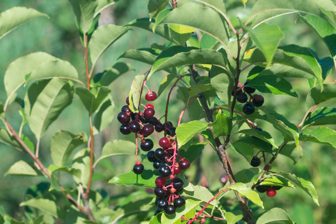
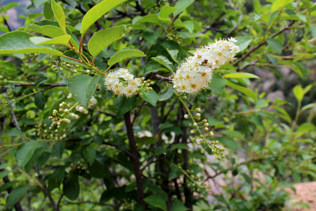
Flower type: Fragrant, long white clusters Fruit type: Small, black-red drupe Fall leaf Color: Yellow - Orange Additional Notes: The fruits, which have a somewhat bitter and sour taste, were an important food for many Indigenous populations in the U.S. However, the stone of the fruit is toxic. |
||||||||
|
Sassafras
|
Sassafras albidum
|
Yes
|
Full sun or partial sun
|
Dry or moderate soil
|
No
|
20-30'
|
25-40'
|
Moderate
|
|
Flower type: Yellow clusters Fruit type: Blue and berry-like Fall leaf Color: Yellow- Red Additional Notes: Sassafras leaves are highly variable. Leaves on the same tree may be oval shaped, mitten shaped, or have two or three lobes--all growing concurrently. This tree is also a host to the spicebush swallowtail butterfly. |
||||||||
|
Japanese Tree Lilac
|
Syringa reticulata
|
No
|
Full sun
|
Dry or moderate soil
|
Yes
|
20-30'
|
15-25'
|
Moderate
|
|
Flower type: Large and upright white clusters Fruit type: Small brown capsules Fall leaf Color: Yellow Additional Notes: This species is resistant to many pests and diseases, stands up well to urban conditions, and produces large, showy flowers to boot, though the flowers have an unpleasant smell. |
||||||||


| Common Name | Latin Name | Native to Mi | Light Requirement | Moisture Requirement | Salt Tolerant | Mature Height | Mature Width | Growth Rate |
|---|---|---|---|---|---|---|---|---|
|
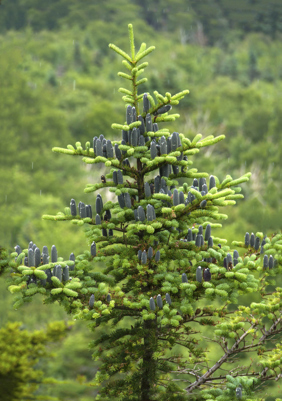
Balsam Fir
|
Abies balsamea
|
Yes
|
Full sun, partial sun, or shade
|
Moderate or wet soil
|
No
|
50-70'
|
20-35'
|
Slow
|
|
Flower type: Inconspicuous Fruit type: Purple - brown cones Fall leaf Color: Evergreen Additional Notes: The needles of this tree contain vitamin C and were once eaten for medicinal and therapeutic purposes by Indigenous people. |
||||||||
|
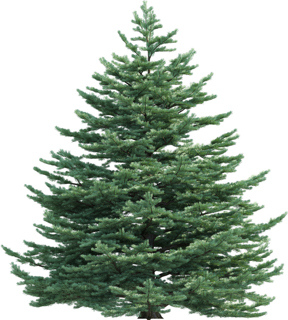
Concolor Fir
|
Abies concolor
|
No
|
Full sun or partial sun
|
Moderate soil
|
No
|
30-50'
|
15-20'
|
Moderate
|
|
Flower type: Inconspicuous Fruit type: Upright purple - brown cones Fall leaf Color: Evergreen Additional Notes: Popular as live Christmas trees because of their soft needles and ability to retain their needles well even after being cut. |
||||||||
|
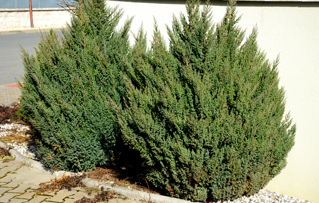
Chinese Juniper
|
Juniperus chinenis
|
No
|
Full sun
|
Dry or moderate soil
|
No
|
50-60'
|
15-20'
|
Slow
|
|
Flower type: Inconspicuous Fruit type: Gray, berry-like cones Fall leaf Color: Evergreen Additional Notes: This species is a popular choice for bonsai. |
||||||||
|
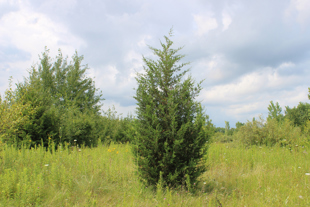
Eastern Redcedar
|
Juniperus virginiana
|
Yes
|
Full sun
|
Dry or moderate soil
|
Yes
|
40-50'
|
10-20'
|
Moderate
|
|
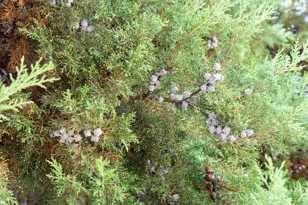
Flower type: Inconspicuous Fruit type: Long, purple - brown cones Fall leaf Color: Evergreen Additional Notes: Eastern redcedars were planted as windbreaks across the plains of the U.S. following the Dust Bowl Drought of the 1930s. They should not be planted near hawthorns, however, as they are co-hosts to cedar apple rust disease. |
||||||||
|
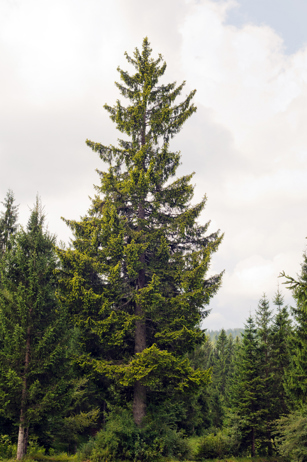
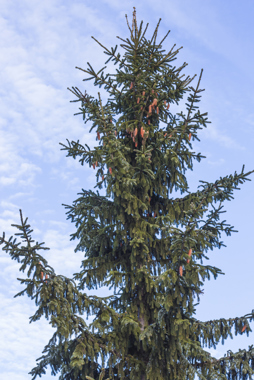
Norway Spruce
|
Picea abies
|
No
|
Full sun or partial sun
|
Moderate soil
|
Moderate
|
40-60'
|
25-30'
|
Fast
|
|
Flower type: Inconspicuous Fruit type: Gray, berry-like cones Fall leaf Color: Evergreen Additional Notes: In 2013, the Norway spruce became the first gymnosperm to have its genome sequenced. It contains approximately 20 billion base pairs and is six times the size of the human genome. |
||||||||
|
White Spruce
|
Picea glauca
|
Yes
|
Full sun or partial sun
|
Dry or moderate soil
|
No
|
40-60'
|
10-20'
|
Slow
|
|
Flower type: Inconspicuous Fruit type: Small, green - brown cones Fall leaf Color: Evergreen Additional Notes: When these trees have been adequately "hardened off" in preparation for the inter, they are extremely cold-tolerant and can survive temperatures down to -70 degrees Fahrenheit. |
||||||||
|
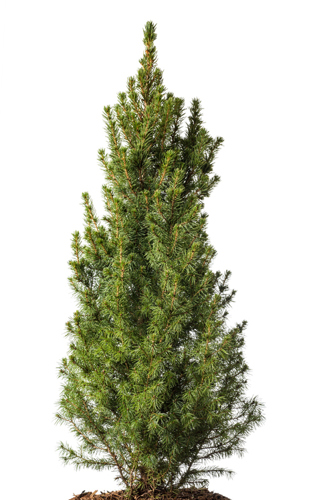
Black Hills White Spruce
|
Picea glauca 'Densata'
|
Yes
|
Full sun
|
Dry or moderate soil
|
No
|
20-40'
|
10-20'
|
Slow
|
|
Flower type: Inconspicuous Fruit type: Small, green - brown cones Fall leaf Color: Evergreen Additional Notes: This is a variety of white spruce which grows in a more dense, compact form. |
||||||||
|
Serbian Spruce
|
Picea omorika
|
No
|
Full sun or partial sun
|
Dry or moderate soil
|
No
|
50-60'
|
20-25'
|
Slow
|
|
Flower type: Inconspicuous Fruit type: Small, purple - brown cones Fall leaf Color: Evergreen Additional Notes: The serbian spruce does well growing in clay soils, but does not tolerate road salt. |
||||||||
|
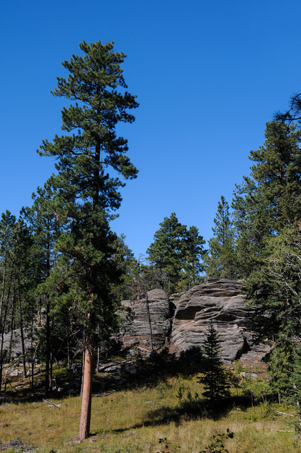
Eastern White Pine
|
Pinus strobus
|
Yes
|
Full sun or partial sun
|
Dry, moderate, or wet soil
|
No
|
50-80'
|
20-40'
|
Fast
|
|
Flower type: Whorled yellow clusters Fruit type: Long, slender cones Fall leaf Color: Evergreen Additional Notes: Eastern white pine is the state tree of Michigan, thanks in large part to its role in the state's prolific lumber industry--especially in the late 19th century. |
||||||||
|
Douglas-fir
|
Pseudotsuga menziesii
|
No
|
Full sun or partial sun
|
Moderate soil
|
Yes
|
40-80'
|
10-20'
|
Moderate
|
|
Flower type: Inconspicuous Fruit type: Cones with 3-pointed bracts protruding between scales Fall leaf Color: Evergreen Additional Notes: Douglas-fir is the most abundant tree by volume in U.S. forests. |
||||||||
|
Eastern Arborvitae
|
Thuja occidentalis
|
Yes
|
Full sun or partial sun
|
Dry or moderate soil
|
Yes
|
40-50'
|
10-15'
|
Moderate
|
|
Flower type: Inconspicuous Fruit type: Light brown, oval seed cones Fall leaf Color: Evergreen Additional Notes: The largest known eastern arborvitae stands 112 feet tall in Leelanau County, Michigan. There are many cultivars available with different sizes and shapes. Deer love to eat it, however. |
||||||||
|
Green Giant Arborvitae
|
Thuja plicata
|
No
|
Full sun or partial sun
|
Dry or moderate soil
|
No
|
50-70'
|
15-25'
|
Fast
|
|
Flower type: Inconspicuous Fruit type: Very small brown cones Fall leaf Color: Evergreen Additional Notes: This cultivar of giant arborvitae is commonly planted as a hedge because it is very deer-resistant and grows in a dense form. |
||||||||
|
Eastern Hemlock
|
Tsuga canadensis
|
Yes
|
Full sun, partial sun, or shade
|
Moderate soil
|
No
|
40-70'
|
25-35'
|
Moderate
|
|
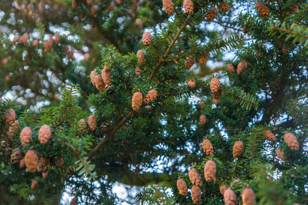
Flower type: Inconspicuous Fruit type: Small hanging cones Fall leaf Color: Evergreen Additional Notes: This species is threatened by the invasive hemlock wooly adelgid, which is a sap-sucking insect from Asia capable of killing the trees. |
||||||||
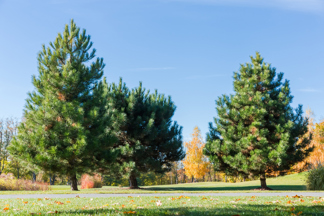
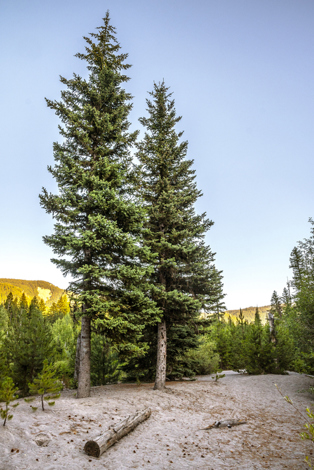
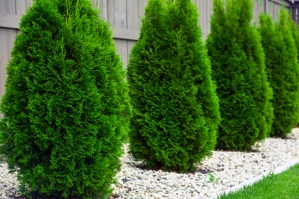
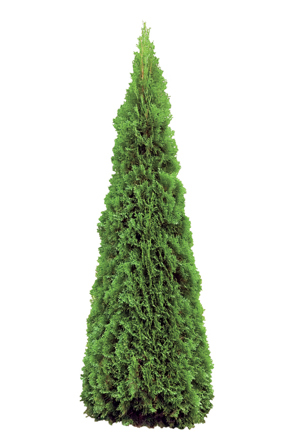
| Common Name | Latin Name | Native to Mi | Light Requirement | Moisture Requirement | Salt Tolerant | Mature Height | Mature Width | Growth Rate |
|---|---|---|---|---|---|---|---|---|
|
Black Chokeberry
|
Aronia melanocarpa
|
Yes
|
Full sun or partial sun
|
Moderate or wet soil
|
Yes
|
3-6'
|
3-6'
|
Slow
|
|
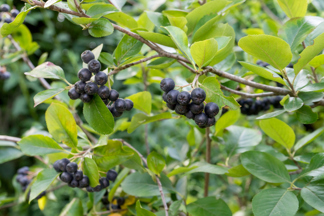
Flower type: White clusters Fruit type: Glossy black; berry-like Fall leaf Color: Red Additional Notes: The fruit of black chokeberry is edible, though it's generally best enjoyed as part of a jam or syrup. The fresh fruit is somewhat tart. The shrub is also known for its showy fall color. |
||||||||
|
New Jersey Tea
|
Ceanothus americanus
|
Yes
|
Full sun or partial sun
|
Dry or moderate soil
|
Yes
|
3-4'
|
3-5'
|
Slow
|
|
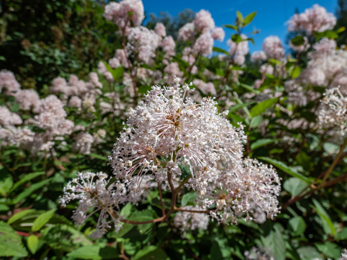
Flower type: Cloud-like, white clusters Fruit type: Triangular capsule Fall leaf Color: Yellow Additional Notes: Its name originated during the American Revolution, when this shrub's leaves were dried and steeped as a substitute to imported tea. This shrub is also an excellent source of nectar for butterflies. |
||||||||
|
Buttonbush
|
Cephalanthus occidentalis
|
Yes
|
Full sun or partial sun
|
Moderate or wet soil
|
No
|
5-12'
|
4-8'
|
Moderate
|
|
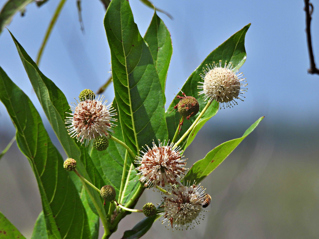
Flower type: White ball-like clusters on long stems Fruit type: Red ball-like fruit Fall leaf Color: Yellow Additional Notes: Unique pin cushion-like flowers, about the size of a gumball, provide visual interest and support pollinators. |
||||||||
|
Silky Dogwood
|
Cornus amomum
|
Yes
|
Full sun, partial sun, or shade
|
Moderate or wet soil
|
No
|
6-12'
|
6-12'
|
Moderate
|
|
Fruit type: Blue berry-like fruit Fall leaf Color: Red - Purple Additional Notes: Native dogwood species like C. amomum serve as larval host plants for more than 100 different species of butterfly and moth. |
||||||||
|
Gray Dogwood
|
Cornus racemosa
|
Yes
|
Full sun, partial sun, or shade
|
Dry, moderate, or wet soil
|
No
|
10-15'
|
10-15'
|
Slow
|
|
Flower type: Flat, white clusters Fruit type: Blue berry-like fruit on bright red stalks Fall leaf Color: Red - Purple Additional Notes: This species occasionally hybridizes with silky dogwood (Cornus amomum). Gray dogwood is also a good source of food and cover for birds. |
||||||||
|
Red Osier Dogwood
|
Cornus sericea (aka C. stolonifera)
|
Yes
|
Full sun or partial sun
|
Dry, moderate, or wet soil
|
No
|
6-9'
|
6-7'
|
Fast
|
|
Flower type: Flat, white clusters Fruit type: Blue berry-like fruit on bright red stalks Fall leaf Color: Red - Purple Additional Notes: This shrub's bright red bark creates sharp contrast against the rest of the winter landscape. |
||||||||
|
American Hazelnut
|
Corylus americana
|
Yes
|
Full sun or partial sun
|
Dry or moderate soil
|
No
|
10-16'
|
8-12'
|
Fast
|
|
Flower type: Male flowers showy and yellow; female flowers inconspicuous Fruit type: Edible hazelnuts enclosed in frilly husks Fall leaf Color: Salmon Additional Notes: Both wildlife and humans highly value the tasty and nutritious hazelnuts. The shrub is also known for its good fall color. |
||||||||
|
Beautybush
|
Deutzia gracilis
|
No
|
Full sun or partial sun
|
Moderate soil
|
No
|
2-5'
|
2-5'
|
Moderate
|
|
Flower type: Small and fragrant white clusters Fruit type: Small dried capsules Fall leaf Color: Brown Additional Notes: This shrub produces beautiful, fragrant flowers, doesn't require much maintenance once established, and grows well in clay soil. |
||||||||
|
Bush Honeysuckle
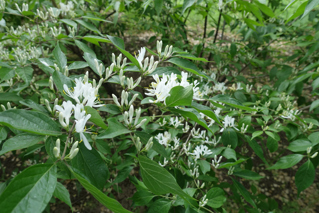
|
Diervilla lonicera
|
Yes
|
Full sun or partial sun
|
Dry or moderate soil
|
No
|
2-3'
|
2-4'
|
Fast
|
|
Flower type: Yellow and tubular Fruit type: Small brown capsule Fall leaf Color: Red Additional Notes: This native shrub is not to be confused with similarly named but unrelated invasive honeysuckle species, which pose a threat to native ecology. This shrub will spread via suckers. |
||||||||
|
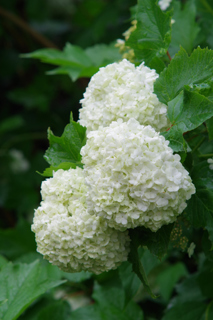
Hydrangea
|
Hydrangea sp.
|
No
|
Full sun or partial sun
|
Moderate soil
|
No
|
3-15'
|
3-10'
|
Fast
|
|
Flower type: Large rounded clusters, but color varies Fruit type: Dry capsules, which may persist in clusters through winter Fall leaf Color: Red Additional Notes: The characteristics of hydrangea are highly variable depending on the species and/or cultivar planted. They're typically planted for their large, showy blooms. |
||||||||
|
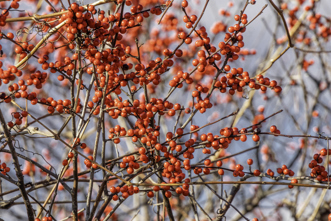
Common Winterberry
|
Ilex verticillata
|
Yes
|
Full sun or partial sun
|
Moderate or wet soil
|
Yes
|
6-
|
6-12'
|
Slow
|
|
Flower type: Inconspicuous Fruit type: Bright red berry-like fruit Fall leaf Color: Yellow - Green Additional Notes: Also known as Michigan holly, the common winterberry is one of just two holly species native to Michigan. A ratio of about one male plant for every 10 female plants is needed for the shrub to fruit. |
||||||||
|
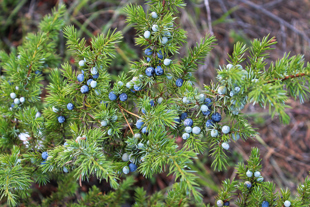
Common Juniper
|
Juniperis communis
|
Yes
|
Full sun
|
Dry or moderate soil
|
Yes
|
5-15'
|
8-12'
|
Slow
|
|
Flower type: Inconspicuous Fruit type: Small purple berry-like cones Fall leaf Color: Evergreen Additional Notes: The oil extracted from fleshy common juniper cones can be used as a flavoring to make gin. |
||||||||
|
Trailing Juniper
|
Juniperus horizontalis
|
Yes
|
Full sun or partial sun
|
Dry or moderate soil
|
Yes
|
1-2'
|
5-8'
|
Slow
|
|
Flower type: Inconspicuous Fruit type: Small blue-tinged berrylike cones Fall leaf Color: Evergreen Additional Notes: Trailing juniper makes for an excellent low shrub choice and is commonly planted on slopes or trailing over ledges. It's also a good choice near concrete, as it tolerates de-icing salt well. |
||||||||
|
Bayberry
|
Myrica pensylvanica
|
No
|
Full sun or partial sun
|
Dry, moderate, or wet soil
|
Yes
|
5-10'
|
5-10'
|
Moderate
|
|
Flower type: Inconspicuous Fruit type: Small, blue-gray waxy fruit Fall leaf Color: Semievergreen Additional Notes: Bayberry is considered "semi-evergreen," as it may retain some leaves in mild winters while still putting out a new flush of leaves in the spring. This shrub is pleasantly fragrant, too. |
||||||||
|
Spicebush
|
Lindera benzoin
|
Yes
|
Full sun or partial sun
|
Moderate or wet soil
|
No
|
6-12'
|
6-12'
|
Moderate
|
|
Flower type: Large yellow clusters Fruit type: Bright red drupe clusters Fall leaf Color: Yellow Additional Notes: Spicebush derives its name from its fragrant leaves and stems, which carry a strong smell of allspice when crushed or scraped. Both male and female plants need to be planted near each other for the shrub to fruit. |
||||||||
|
Common Ninebark
|
Physocarpus opulifolius
|
Yes
|
Full sun or partial sun
|
Dry, moderate, or wet soil
|
Yes
|
5-8'
|
4-6'
|
Moderate
|
|
Flower type: White clusters with purple stamens Fruit type: Drooping clusters of capsules Fall leaf Color: Yellow - Orange Additional Notes: Several varieties of ninebark exist, which offer different forms, foliage color, and more. However, the straight species found in nature provides the greatest benefits to local wildlife. |
||||||||
|
Shrubby Cinquefoil
|
Potentilla fruticosa
|
Yes
|
Full sun or partial sun
|
Dry or moderate soil
|
No
|
2-4'
|
3-5'
|
Moderate
|
|
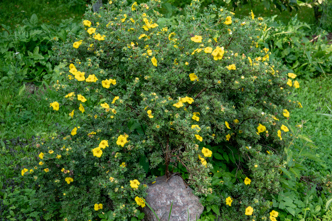
Flower type: Large yellow, individual blooms Fruit type: Small brown capsules Fall leaf Color: Green - Brown Additional Notes: Showy flowers remain in bloom all through spring and summer. There are cultivars with yellow, white or pink flowers. |
||||||||
|
Fragrant Sumac
|
Rhus aromatica
|
Yes
|
Full sun or partial sun
|
Dry or moderate soil
|
Yes
|
2-6'
|
6-10'
|
Moderate
|
|
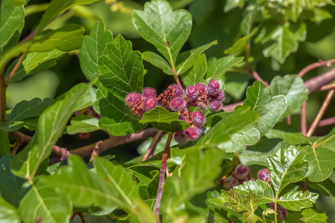
Flower type: Inconspicuous Fruit type: Fuzzy red clusters Fall leaf Color: Red Additional Notes: Fragrant sumac is so named because its leaves and stems give off a lemony scent when crushed. The "Gro-Low" cultivar only gets to about 30 inches tall and spreads out. |
||||||||
|
Shining Sumac
|
Rhus copallina
|
Yes
|
Full sun or partial sun
|
Dry or moderate soil
|
Yes
|
7-15'
|
10-20'
|
Fast
|
|
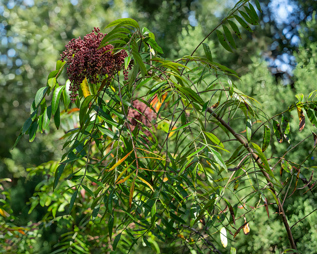
Flower type: Inconspicuous Fruit type: Large and upright fuzzy red clusters Fall leaf Color: Red Additional Notes: The somewhat sour fruit can be made into a tart drink similar to lemonade. Shining sumac also has bright red fall color. |
||||||||
|
Staghorn Sumac
|
Rhus typhina
|
Yes
|
Full sun
|
Dry or moderate soil
|
Yes
|
15-25'
|
20-30'
|
Fast
|
|
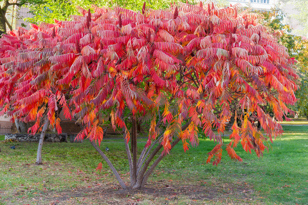
Flower type: Large green-yellow clusters Fruit type: Large and upright fuzzy red clusters Fall leaf Color: Red Additional Notes: The name staghorn sumac was coined because of the habit and fuzzy surface of the branches, which resemble deer antlers. The shrub has bright red fall color and its fruit acts as a good source of food for birds. |
||||||||
|
Pussy Willow
|
Salix discolor
|
Yes
|
Full sun
|
Moderate or wet soil
|
No
|
6-15'
|
4-12'
|
Fast
|
|
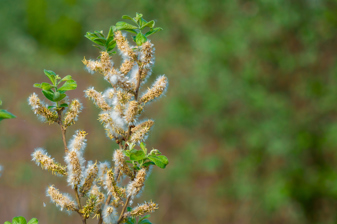
Flower type: Gray, fuzzy catkins Fruit type: Clusters of small brown capsules Fall leaf Color: Green - Yellow Additional Notes: The fuzzy flowers of pussy willow emerge early in the spring, before the leaves. The unique bare shoot covered in fuzzy flowers is a common addition in early spring decorative bouquets. |
||||||||
|
Common Elderberry
|
Sambucus canadensis
|
Yes
|
Full sun or partial sun
|
Moderate soil
|
Yes
|
5-12'
|
5-12'
|
Fast
|
|
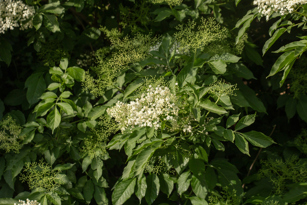
Flower type: Very large, flat-topped white clusters; fragrant Fruit type: Purple berry-like clusters Fall leaf Color: Green - Yellow Additional Notes: Large, fragrant blooms and their resultant fruit can be used to make jellies, jams, or wine. |
||||||||
|
Red-berried Elderberry
|
Sambucus racemosa
|
Yes
|
Full sun, partial sun, or shade
|
Moderate to wet soil
|
Yes
|
8-12'
|
8-15'
|
Fast
|
|
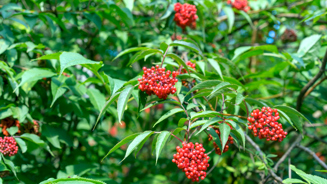
Flower type: Large pyramidal shaped white clusters; fragrant Fruit type: Bright red berry-like clusters of fruit Fall leaf Color: Red Additional Notes: The leaves have an unpleasant odor when crushed. This tree blooms much earlier in the year than common elderberry, and has pyramidal-shaped clusters of white flowers, further distinguishing it from common elderberry. |
||||||||
|
American Bladdernut
|
Staphylea trifolia
|
Yes
|
Full sun, partial sun, or shade
|
Dry, moderate, or wet soil
|
No
|
10-15'
|
10-20'
|
Moderate
|
|
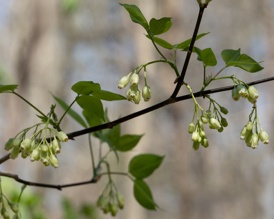
Flower type: White bell-shaped flowers in clusters Fruit type: Papery capsules Fall leaf Color: Green - Brown Additional Notes: The three-chambered, inflated fruit of this shrub may float down bodies of water to aid in dispersal of the plant, which naturally grows around streambanks. |
||||||||
|
Miss Kim Lilac
|
Syringa pubescens 'Miss Kim'
|
No
|
Full sun or partial sun
|
Moderate soil
|
Yes
|
4-9'
|
5-7'
|
Moderate
|
|
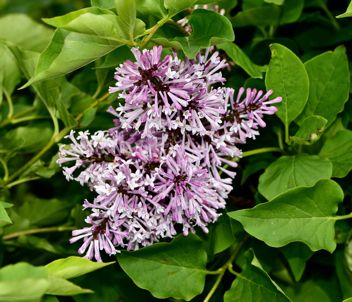
Flower type: Large and fragrant upright purple clusters Fruit type: Small warty capsules Fall leaf Color: Red - Purple Additional Notes: The 'Miss Kim' cultivar blooms later in the year and tends to be more compact than many other lilacs. |
||||||||
|
Common Lilac
|
Syringa vulgaris
|
No
|
Full sun
|
Dry or moderate soil
|
Yes
|
12-16'
|
8-12'
|
Moderate
|
|
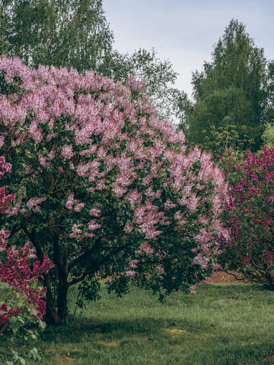
Flower type: Large and fragrant upright purple clusters Fruit type: Small flattened capsules Fall leaf Color: Yellow Additional Notes: During Victorian times, the fragrant flowers of lilac shrubs symbolized the reminder of an old love. It was common for widows to wear lilac flowers for this reason. |
||||||||
|
Arrowwood Viburnum
|
Viburnum dentatum
|
Yes
|
Full sun or partial sun
|
Moderate soil
|
Yes
|
6-10'
|
6-10'
|
Fast
|
|
Flower type: White flat-topped clusters Fruit type: Dark blue berry-like fruits Fall leaf Color: Red Additional Notes: The strong stems of arrowwood viburnum were used by Indigenous populations to craft arrows, hence the shrub's name. |
||||||||
|
Nannyberry
|
Viburnum lentago
|
Yes
|
Full sun or partial sun
|
Dry, moderate, or wet soil
|
No
|
14-16'
|
6-12'
|
Moderate
|
|
Flower type: White flat-topped clusters Fruit type: Berry-like fruits start orange and mature to blue Fall leaf Color: Red Additional Notes: Another common name for this shrub is sweet viburnum, as its fruits are edible and significantly sweeter than those of other viburnums. It also sports bright red fall color. |
||||||||
|
Blackhaw Viburnum
|
Viburnum prunifolium
|
Yes
|
Full sun or partial sun
|
Dry or moderate soil
|
No
|
12-15'
|
6-12'
|
Slow
|
|
Flower type: White flat-topped clusters Fruit type: Dark blue berry-like fruits Fall leaf Color: Red - Purple Additional Notes: Blackhaw viburnum contains salicin, which is a chemical relative of aspirin. Because of this, it was used medicinally by Indigenous populations, oftentimes to help women recover from childbirth. |
||||||||
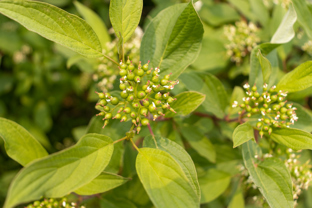 Flower type: White clusters